
The Soul of an Octopus, Author: Sy Montgomery
Book Summary presented by Fr Dr CP Anto
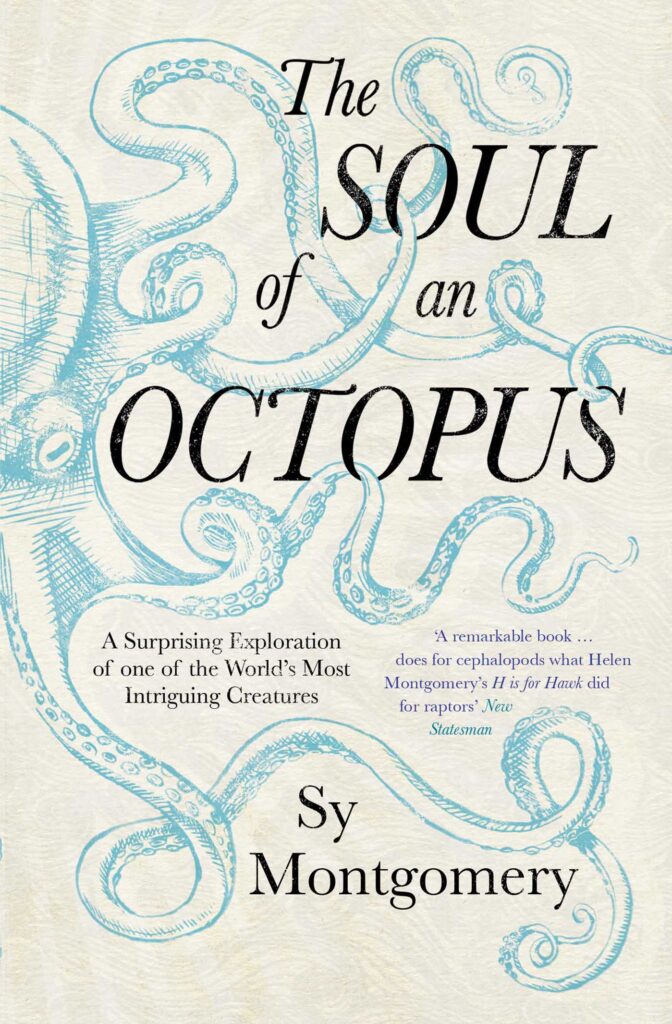
The Soul of an Octopus: A Surprising Exploration into the Wonder of Consciousness is a fascinating nonfiction book that explores the intelligence, emotions and extraordinary behaviour of octopuses. Through her experiences observing and interacting with these remarkable creatures, Sy Montgomery challenges our assumptions about intelligence, relationships and the natural world.
7 Lessons We Learn from the Book
1. Intelligence Comes in Different Forms
We often measure intelligence through human abilities such as language, reasoning and problem-solving. However, octopuses demonstrate that intelligence can exist in very different forms. Their ability to solve problems, recognise patterns and explore their surroundings reminds us that intelligence should not be judged through a single standard.
2. Never Underestimate Others
The book teaches us not to underestimate any living being simply because it is different from us. Octopuses possess remarkable abilities despite having a completely different biological structure from humans. Similarly, in society, we should avoid judging people based on their appearance, background, education or circumstances.
3. Curiosity Is the Beginning of Learning
The author’s observations show how curiosity helps us discover things we might otherwise overlook. Asking questions, exploring unfamiliar subjects and being open to new experiences can expand our understanding of the world. Learning should not stop when formal education ends.
4. Relationships Can Develop in Unexpected Ways
The author develops meaningful connections with the octopuses she observes. These experiences demonstrate that relationships are not always dependent on spoken communication. Attention, patience, observation and consistent interaction can create meaningful connections, even between very different forms of life.
5. Every Living Being Has Its Own Individuality
The book describes how different octopuses display distinct behaviours and personalities. This reminds us that every individual has unique characteristics. We should appreciate differences rather than expecting everyone to behave, think or respond in the same way.
6. Patience Helps Us Understand the World Better
Understanding another living being requires time and careful observation. The author learns that meaningful discoveries cannot always be rushed. In our own lives, patience allows us to understand situations more deeply, listen to others and make better decisions instead of jumping to conclusions.
7. Respect for Nature Is a Human Responsibility
The book encourages readers to recognise that humans are only one part of a much larger natural world. Other living creatures have their own ways of experiencing life. Protecting biodiversity and respecting the environment are essential responsibilities if we want future generations to experience the richness of nature.
Reflection
The Soul of an Octopus offers a refreshing perspective on intelligence, relationships and the natural world. What makes this book particularly interesting is how it challenges the belief that humans are the only beings capable of complex emotions, curiosity and meaningful connections.
It encourages us to become better observers and more compassionate individuals. Sometimes, our understanding of the world remains limited because we only look at things from our own perspective. By appreciating other forms of life and accepting differences, we develop a broader understanding of existence.
The book also reminds us that there is still so much about nature that we have yet to discover. Knowledge should make us more curious and humble, not convince us that we already understand everything.
Central Message
The world is far more extraordinary than our limited understanding allows us to imagine. Intelligence, individuality and meaningful connections exist in forms beyond our immediate experience. True wisdom begins when we remain curious, respect differences and recognise the value of every living being.