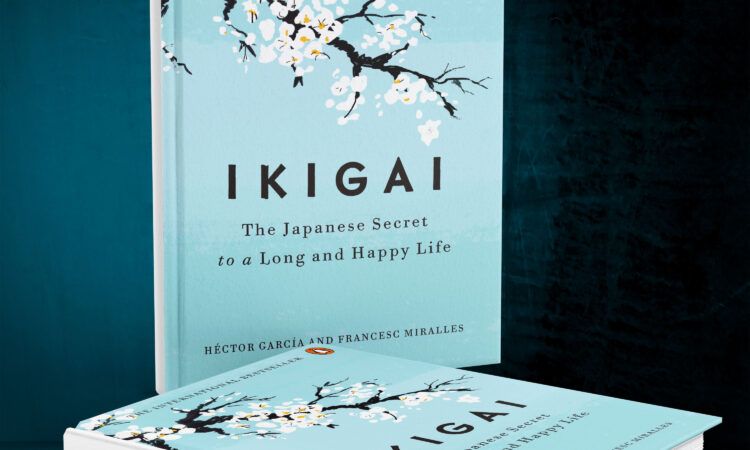
By Héctor García and Francesc Miralles
Summary by Fr Dr CP Anto
1. Introduction
Ikigai is a Japanese concept often translated as “a reason for being” or “a reason to wake up every morning.” It invites us to discover what gives our lives meaning and to bring purpose into ordinary activities. In this book, Héctor García and Francesc Miralles explore ideas associated with longevity and well-being, including purposeful activity, healthy habits, relationships, moderation, resilience and living in the present. The central message is that a fulfilling life is built through meaningful daily choices, not only through major achievements.
2. Seven Important Lessons from Ikigai
Lesson 1: Discover Your Purpose
Explanation: A sense of purpose gives direction to our lives. When we know what matters to us and whom we hope to serve, ordinary responsibilities can become meaningful. Purpose does not have to be a grand achievement or a famous position. It may be found in caring for family, educating children, supporting vulnerable people, creating something useful or serving the community. Our purpose can also develop as we move through different stages of life. The important thing is to reflect honestly on our values, abilities and the needs around us.
Practical application: At the beginning of each day, identify one action that expresses your values. Ask yourself: “Why does my work matter, and who benefits from it?” Connect routine duties with a larger mission.
Lesson 2: Stay Active – Never Retire from Life
Explanation: Remaining active means continuing to participate in life physically, mentally, socially and creatively. A person can stay curious and useful at any age. Learning a new skill, walking, gardening, reading, teaching, volunteering or mentoring others can give structure and enjoyment to the day. The lesson is not to fill every moment with work; it is to avoid losing interest, connection and a sense of contribution.
Practical application: Create a balanced daily routine that includes movement, learning, meaningful work, rest and recreation. Continue sharing your experience while remaining open to new ideas and younger generations.
Lesson 3: Find Happiness in Small Things
Explanation: We often postpone happiness until we achieve a major goal, receive recognition or acquire something new. Ikigai reminds us to notice the value of ordinary moments: a sincere conversation, a meal shared with others, a walk outdoors, a student’s progress or a task completed with care. Gratitude helps us recognise what is already present in our lives. Enjoying small things does not mean ignoring problems; it means allowing positive experiences to nourish us even during difficult times.
Practical application: At the end of each day, name three things for which you are grateful. Appreciate people’s efforts, celebrate small progress and give yourself time to enjoy simple activities without rushing.
Lesson 4: Build Meaningful Relationships
Explanation: Human beings need connection and a sense of belonging. Supportive relationships can provide encouragement during difficult times and joy during good times. Strong communities are built through trust, listening, cooperation and mutual care. The quality of relationships matters more than the number of contacts we have. Meaningful connection also requires patience: we must make time for others, respect differences and be willing to resolve misunderstandings.
Practical application: Make time for a genuine conversation each day. Listen without interrupting, express appreciation, check on someone who may feel isolated and take part in activities that strengthen family and community bonds.
Lesson 5: Practise Kaizen – Continuous Improvement
Explanation: Kaizen is commonly understood as continuous improvement through small, steady steps. Instead of waiting for a perfect opportunity or attempting a dramatic change all at once, we can improve through consistent effort. Small habits become powerful when practised regularly. This approach also encourages humility: there is always something to learn, a process to improve or a better way to serve. Progress may be gradual, and setbacks are opportunities to adjust rather than reasons to give up.
Practical application: Choose one realistic area for improvement. Practise a skill for a short time each day, seek constructive feedback and review your progress weekly. Encourage teams and students to suggest small improvements in their work.
Lesson 6: Live in the Present Moment
Explanation: The past can teach us, and the future deserves thoughtful planning, but neither should take away our ability to live today. Constant regret, worry or distraction can prevent us from giving proper attention to the people and tasks before us. Being present means listening carefully, doing one task with attention and noticing what is happening around us. Reflection, prayer, mindful breathing and time in nature can help us become more attentive and grounded.
Practical application: During conversations, put aside distractions and listen fully. Set aside a few quiet minutes for prayer or reflection. When working, focus on one important task at a time and return your attention gently when it wanders.
Lesson 7: Develop Resilience and Maintain Balance
Explanation: A meaningful life is not free from pain, disappointment or uncertainty. Resilience is the ability to face difficulty, adapt, seek support and continue with hope. It does not mean hiding emotions or dealing with every problem alone. Balance is equally important: constant work without rest can weaken our health and relationships. Caring for the body, mind and spirit helps us respond to challenges with greater steadiness. Accepting what cannot be changed, while acting where we can make a difference, is a practical form of wisdom.
Practical application: When facing a difficulty, pause and identify what is within your control. Seek advice or support when needed, maintain healthy routines and make space for rest. Respond to setbacks with patience and learn what can be improved.
3. Seven Questions for Personal Reflection
1. What gives my life meaning, and how clearly does that purpose guide my daily choices?
2. Am I keeping my mind, body and relationships active in healthy ways?
3. Which small blessings or moments of joy did I notice today?
4. Have I given enough time and attention to the people who matter?
5. What small improvement can I make in my personal or professional life this week?
6. Was I fully present in my conversations and responsibilities today?
7. How do I respond to difficulties, and what support or balance do I need?
4. Four Practical Applications in Daily Life
Personal life – Begin each day with purpose
Spend a few minutes each morning identifying what matters most that day. Include time for physical activity, reflection or prayer, learning and rest. At night, review what went well and what you would like to improve.
Family and relationships – Strengthen human connections
Give family members and friends your undivided attention. Listen patiently, express gratitude, share responsibilities and address disagreements respectfully. Small, regular acts of care build trust over time.
Professional life – Practise continuous improvement
Set a manageable learning or performance goal. Prepare thoughtfully, seek feedback, improve one skill at a time and recognise the contributions of colleagues. Treat work as an opportunity to make a useful difference, not merely as a list of duties.
Community and peacebuilding – Turn purpose into service
Identify a real need in the community and take a practical step to respond. Support vulnerable people, mentor young people, encourage dialogue across differences and help communities solve problems peacefully. Evaluate whether your actions are making a positive difference.
Ikigai principle
Possible application
Purpose
Help students connect education with a clear personal mission and social responsibility.
Continuous learning
Promote lifelong learning, reflective practice and regular faculty development.
Relationships
Strengthen peer support, teamwork, friendship and community participation.
Service
Encourage fieldwork, volunteering and practical support for vulnerable communities.
Resilience
Build skills in conflict transformation, problem-solving and coping with setbacks.
Mindfulness
Create opportunities for reflection, attentive listening and emotional well-being.
Meaningful contribution
Enable students to become responsible citizens and active agents of peace.
6. Personal Reflection
As educators, social workers and peacebuilders, we can measure our success not only by the positions we hold, the recognition we receive or the institutions we build, but also by the lives we touch and the positive changes we help create. Our purpose becomes meaningful when it is translated into daily acts of kindness, responsibility, learning and service.
Ikigai offers a reminder that education is more than acquiring qualifications. It is about helping people discover their gifts, develop their potential and contribute to a more compassionate, inclusive and peaceful society. When students find meaning in learning and connect it with service, education becomes a lifelong source of purpose.
7. Thought for the Day
“A meaningful life is shaped by the purpose we discover and the good we do each day.”
8. Today’s Challenge
Before going to bed, take a few minutes to answer these three questions:
8. What made my life meaningful today?
9. Whose life did I make a little better today?
10. What one purposeful action will I take tomorrow?
Every morning is an opportunity to discover and live your purpose again.