7 Key Lessons with Reflections and Practical Applications
By Fr Dr CP Anto
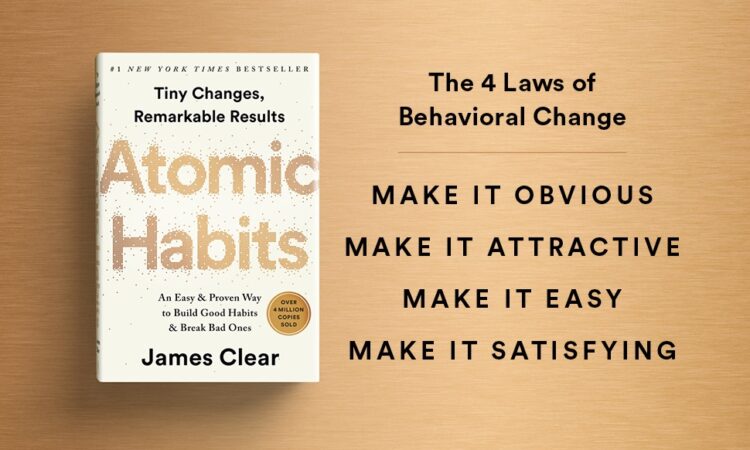
Atomic Habits by James Clear teaches us that remarkable transformation does not happen overnight. It happens through small, consistent improvements in our daily habits.
Central message: Small changes, when practised consistently, produce extraordinary results over time.
1. Small Changes Make a Big Difference
Lesson: Small improvements may appear insignificant today, but their cumulative impact can be remarkable. Improving by just 1% every day can lead to substantial progress.
Reflection: We often wait for big opportunities or dramatic changes. However, meaningful transformation begins with small actions.
Application: Introduce one small improvement every day in teaching, leadership, prayer, administration or personal life.
2. Focus on Systems, Not Just Goals
Lesson: Goals tell us where we want to go, but systems determine whether we get there.
Reflection: Our daily practices determine whether that vision becomes reality.
Application: Instead of simply aiming for academic excellence, establish daily systems for lesson preparation, student engagement, research and evaluation.
3. Build Identity-Based Habits
Lesson: Lasting change comes when we change how we see ourselves. Rather than focusing only on what we want to achieve, focus on the person we want to become.
Reflection: Instead of saying, “I want to become a good leader,” say, “I am a responsible and compassionate leader.”
Application: Develop an identity of being a peacebuilder through everyday actions of listening, forgiveness, dialogue and reconciliation.
4. Make Good Habits Obvious
Lesson: Our environment influences our behaviour. Good habits become easier when we make them visible.
Reflection: Sometimes people fail not because they lack motivation but because their environment does not support positive behaviour.
Application: Create an environment that encourages reading, punctuality, discipline, prayer, teamwork and continuous learning.
5. Make Good Habits Attractive
Lesson: We are more likely to develop habits that we associate with positive feelings and meaningful experiences.
Reflection: Learning, teaching and community service should not become mechanical activities. They should inspire joy and fulfilment.
Application: Make classroom learning interactive through simulations, group discussions, storytelling, fieldwork and experiential activities.
6. Make Good Habits Easy
Lesson: Reduce the barriers to good habits. Start with small, manageable actions. Clear introduces the Two-Minute Rule: begin a new habit with something that takes less than two minutes.
Reflection: We often postpone important activities because they appear too difficult or time-consuming.
Application:
* Read two pages every day.
* Spend two minutes planning the next day.
* Appreciate one person every day.
* Make one positive contribution to peace daily.
Small beginnings create lasting commitments.
7. Never Miss Twice
Lesson: Missing a habit once is an accident; repeating it becomes the beginning of a new negative habit. Consistency matters more than perfection.
Reflection: Failure is not the opposite of success; it is part of the journey. What matters is our willingness to begin again.
Application: If we miss a class preparation, prayer, exercise, reading or administrative responsibility one day, make a conscious effort to resume the next day.
⸻
Five Questions for Personal Reflection
1. What small habit should I develop to become a better person and leader?
2. Which negative habit is preventing me from achieving my potential?
3. Am I focusing more on achieving goals or building sustainable systems?
4. What one positive habit can I introduce in my institution or organisation?
5. What will I start doing differently from tomorrow?
Final Thought
“Great institutions are not built only through great visions; they are built through small, consistent actions practised by ordinary people every day.”
My personal challenge:
Let us not try to change everything in one day. Let us identify one good habit, practise it consistently for 21–30 days, and gradually make it part of our identity.
Remember: Small habits create strong character, strong character creates responsible leadership, and responsible leadership transforms society.
(By Fr Dr CP Anto)