From Trieste to the Tangkhuls: A Global Citizen’s Journey
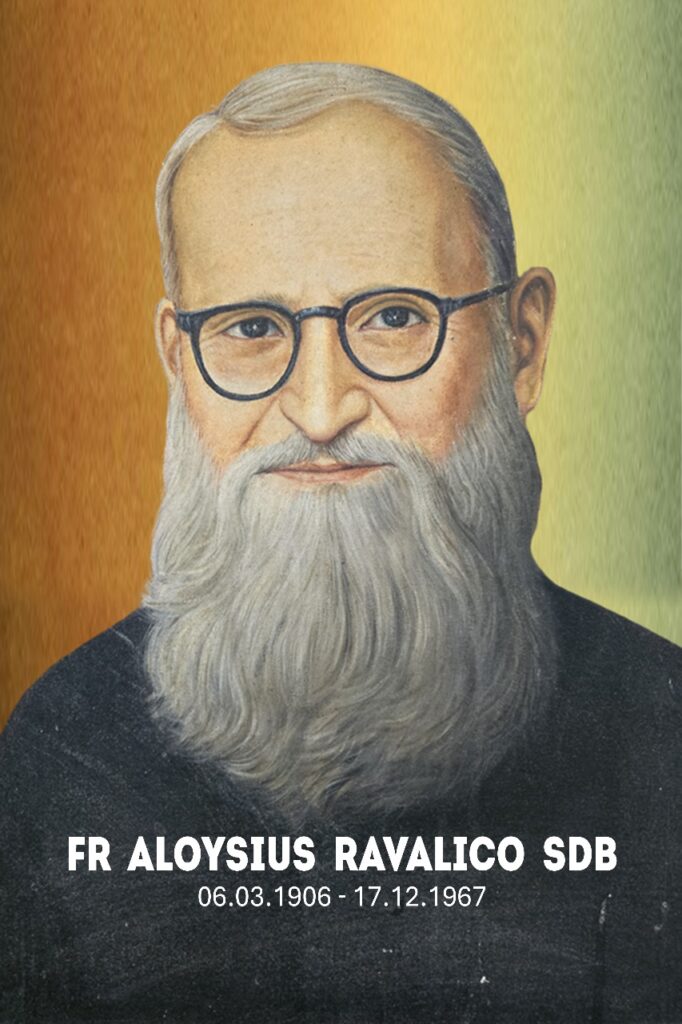
Father Aloysius Ravalico SDB wasn’t just a Catholic missionary—he was a bridge between worlds. Born in 1906 in Trieste (then part of Austria, later annexed by Italy), he belonged to many places by birth, by circumstance, and by choice. He began his religious path in Italy as a Salesian of St. John Bosco, but India eventually became the land of his heart and home. After decades of work across regions like Goa, Madras, Shillong, and Dibrugarh, Fr. Ravalico gained Indian citizenship in recognition of his dedicated service to the people.
But his most daring and devoted chapter began in the far-flung northeast—Manipur. A place isolated by misty mountains, dense jungles, and culturally distinct tribes, Manipur remained virtually untouched by Christianity, mostly due to its history of tribal warfare and colonial restrictions. This land, nestled between India and Burma, became the focal point of his mission.
The Mission Possible: Establishing the Catholic Presence in Manipur
In 1954, Fr. Ravalico set up the first permanent Catholic mission in Manipur, overcoming immense barriers—both literal and bureaucratic. Manipur was no easy ground. It was a mosaic of ethnic groups with dozens of languages, inaccessible villages, and, in some places, traditions of headhunting that hadn’t entirely died out.
The Naga tribes, especially the Tangkhuls, fascinated and challenged him. Despite their history of fierce warfare, Fr. Ravalico saw their humanity and hope. Instead of being fearful, he was respectful and strategic. He approached them not only as a preacher but as a learner and friend. As he once humorously put it, he could grow another beard or buy another shirt—but not another head. So, caution and cultural sensitivity were part of his daily reality.
More Than Conversions: Building Community and Legacy
Fr. Ravalico’s impact went far beyond baptisms. He wasn’t just a priest handing out sacraments—he was also an educator, community organizer, and cultural ambassador. He trained local youth, like a sharp-witted Tangkhul named George, to be catechists and leaders. Many of these students returned to their villages, spreading education and faith in ways Fr. Ravalico alone couldn’t have managed. In one case, a chapel and 46 adult converts awaited him in a village—thanks entirely to George’s efforts.
One of his most striking discoveries was a “lost” Chin tribe in Manipur. These refugees from Burma had been practicing a form of Catholic faith on their own for nearly ten years—wearing rosaries, building a chapel, and waiting patiently for a priest to find them. When Fr. Ravalico finally did, they welcomed him not with disbelief but with calm joy: their prayers had been answered.
His Mission, His Beard, and His Beating Heart
A man of action with a generous sense of humour, Fr. Ravalico often used his trademark beard to win over curious children or appear as a wise elder. At one point, he even considered shaving it on American television to raise funds for his mission work. The beard stayed, but the story stuck—it was both his trademark and a symbol of his grounded, relatable nature.
He faced challenges—language barriers, long treks through jungles, resistance from locals—but he also celebrated small victories. A Chin woman baptized moments before her death. A village transformed by trained youth. A culture of fear slowly giving way to faith.
His mission was never about imposition; it was about invitation. He respected traditional beliefs while gently introducing new ideas—offering not just religion, but education, dignity, and hope. And he did it all with humility, whether handing over the shirt off his back to a cold villager or marvelling at elephants unknowingly clearing jungle paths for his journey.
Legacy in Living Colour
In a world that often draws lines between people, Fr. Aloysius Ravalico lived the opposite: he crossed borders—geographical, cultural, and spiritual. He didn’t simply bring the Gospel to Manipur; he brought a sense of shared humanity. He didn’t erase the tribal cultures—he embraced them, celebrated them, and worked within them to make change.
His story isn’t just about a missionary. It’s about resilience, respect, and the quiet revolution of compassion.
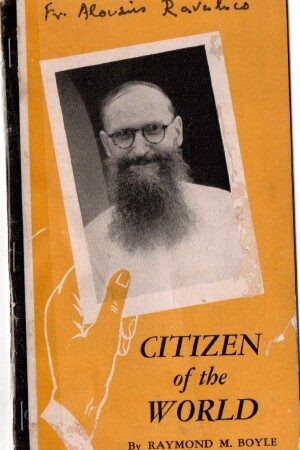
(Reference: Fr Alosius Ravalico, Citizen of the World. By Raymond M Boyle)
I was a small boy who studied in his institute, built by him for training young missionaries in the North East of India. He died in 1967. But I arrived there with other boys in 1968. I was there until 1974.Fr. Bachiarello, his companion, who wrote his biography, A great herald of Jesus Christ, was our confessor. My photo with other boys was printed in that biography. I also taught ion Don Bosco Manipur, where Don Ravalico built his mission and Don Bosco school for educating the tribal and manipuri boys. That school held the premier position as the best school in Manipur in the 1980swhen I was assistant principal there.
I was a small boy who studied in his institute, built by him for training young missionaries in the North East of India. He died in 1967. But I arrived there with other boys in 1968. I was there until 1974.Fr. Bachiarello, his companion, who wrote his biography, A great herald of Jesus Christ, was our confessor. My photo with other boys was printed in that biography. I also taught ion Don Bosco Manipur, where Don Ravalico built his mission and Don Bosco school for educating also the tribal boys. That school held the premier position as the best school in Manipur in the 1980swhen I was assistant principal there.